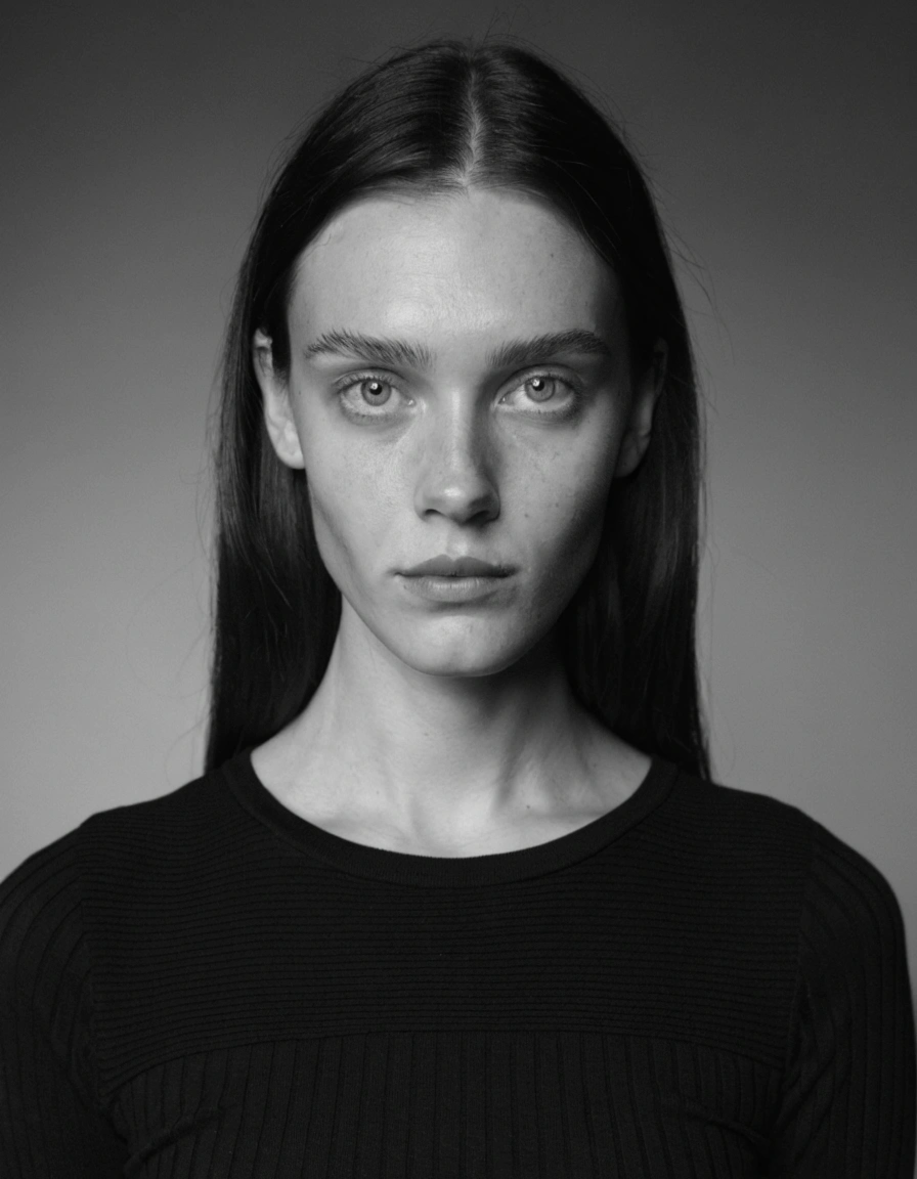
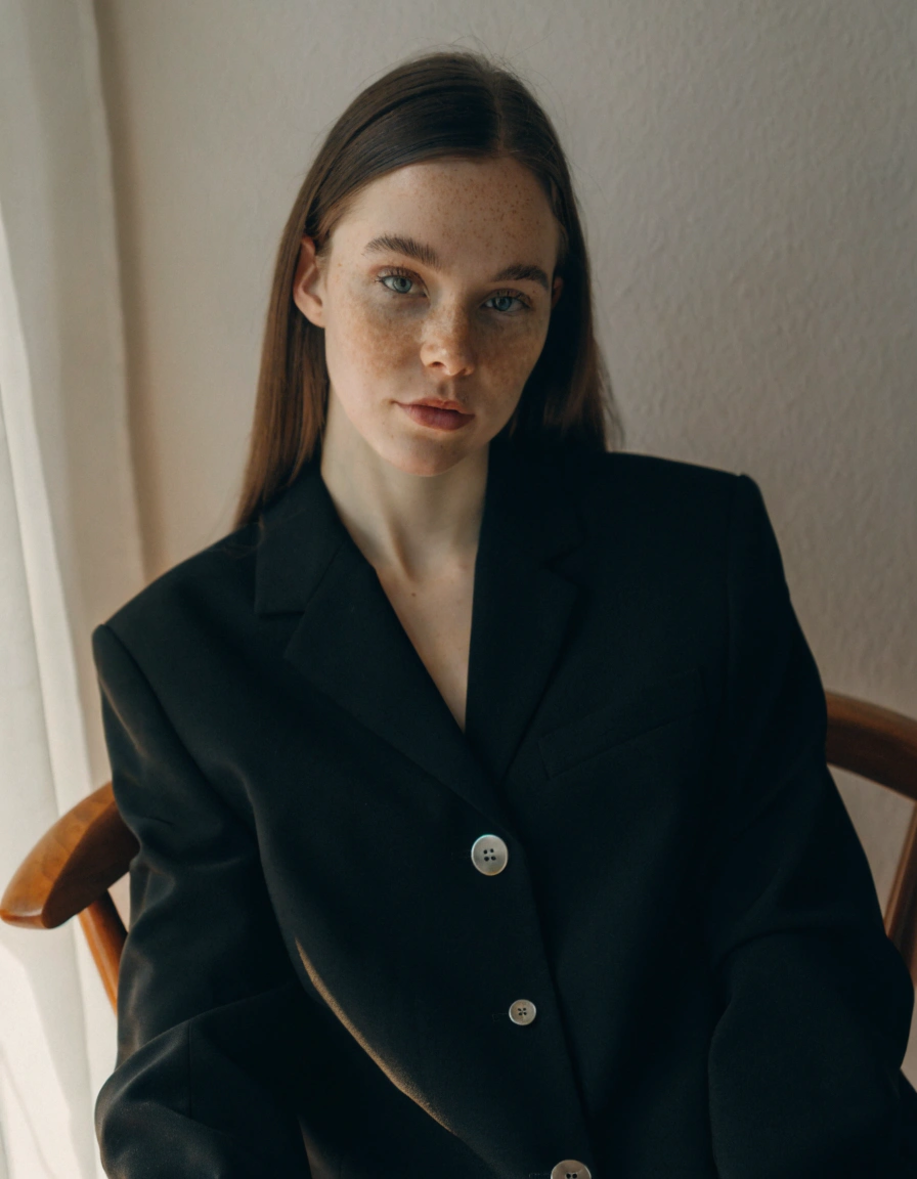
Attributes shape the fine details of the image. They determine lighting behavior, color relationships, texture, materials, and typographic structure, adding polish without altering the core composition. Once the subject, composition, medium, and style are defined, attributes refine the surface qualities and atmosphere of the image. These cues help the model interpret nuance and realism while keeping the overall structure intact. Lighting Influences mood and focus, for example soft morning light, dramatic side lighting, diffuse overcast light, or harsh fluorescent light. Color and palette Shapes mood and visual identity, for example muted earth tones, high-contrast palette, pastel gradient, or bright complementary colors. Texture and materials Describe how surfaces interact with light such as matte metal, polished glass, rough linen, or grainy paper. Typography and layout (for graphic or vector work) Specify typographic hierarchy and structure such as bold sans-serif headline, subtle serif caption, minimal grid layout, or clean centered title.

Examples

Minimal

With lighting
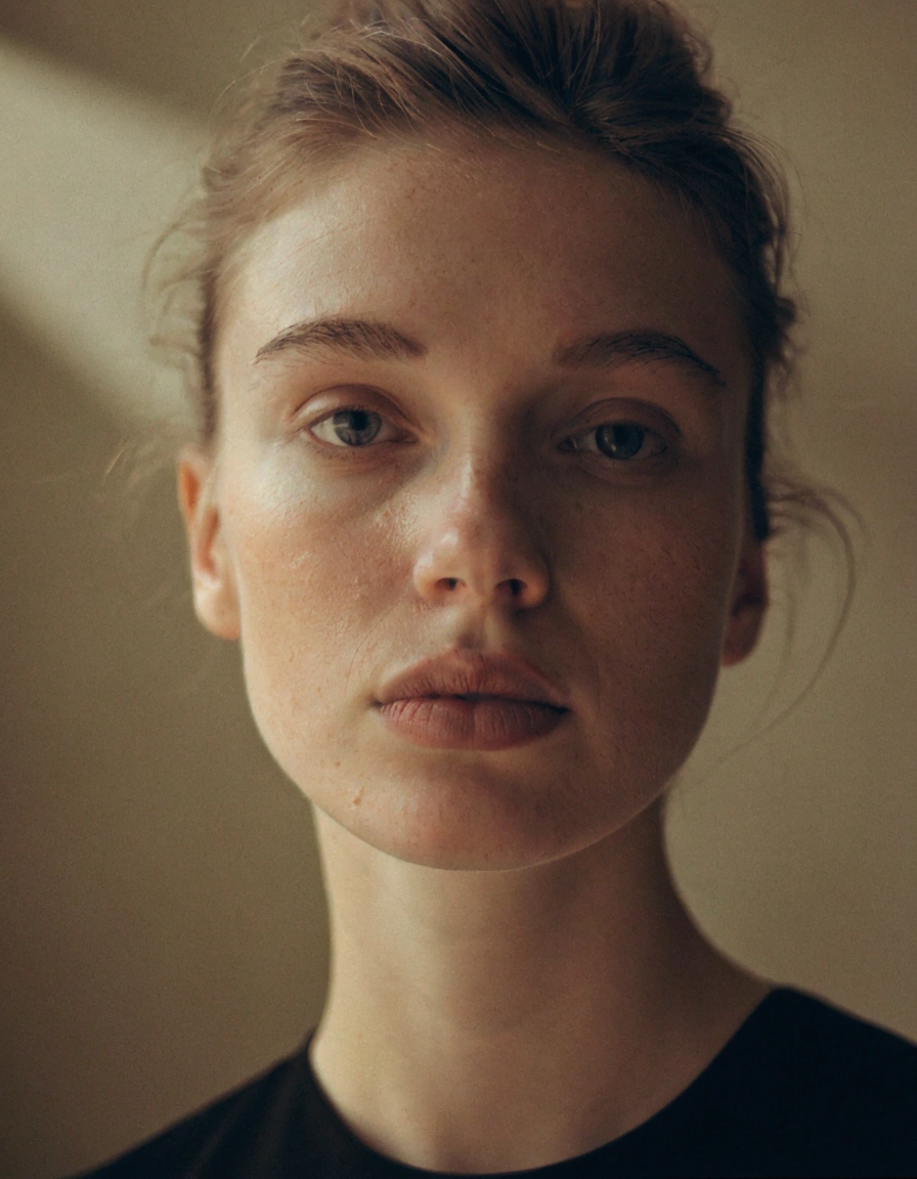
Full attributes

Portrait of a woman in a studio
Portrait of a woman in studio with soft window light from left, gentle shadows, warm golden hour glow, natural diffused illumination
Close-up portrait of woman in studio, face and shoulders filling frame, soft window light from left creating gentle shadows across features, muted earth tone palette, matte skin texture with natural detail, shallow depth of field f/2.8 with background softly blurred, slight film grain adding warmth, golden atmospheric glow, gentle rim lighting highlighting hair edges, natural elegant expression, contemporary editorial style, intimate framing, 85mm lens perspective